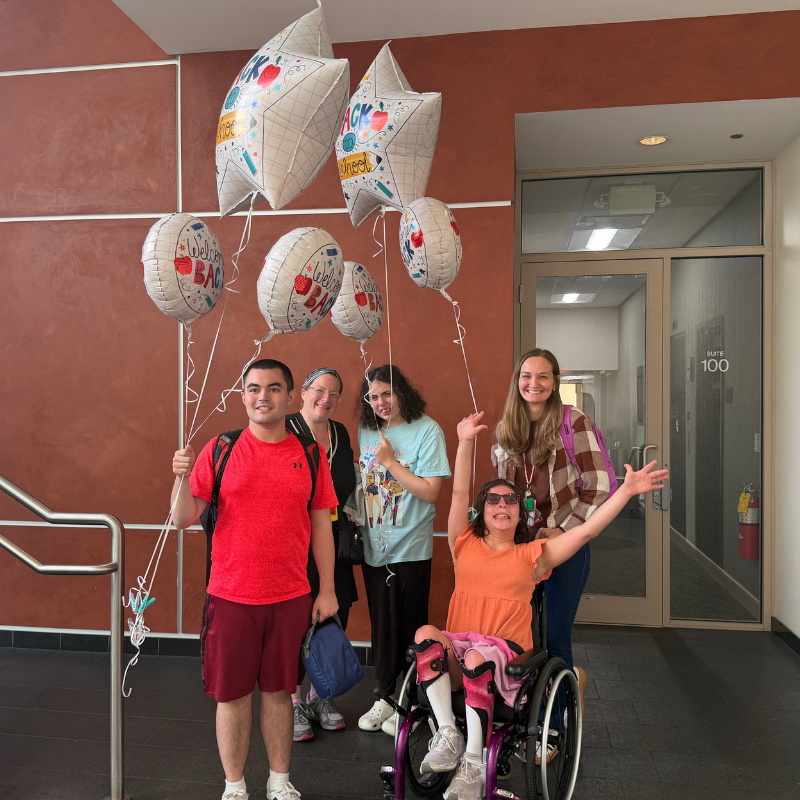
by Allyson Abbinanti OTD, OTR/L & Keshet Occupational Therapist
While many people mourn the end of summer, I have always found myself looking forward to the beginning of a new school year. The familiar routines, the excitement of seeing people again, and the feeling of starting fresh—there is something comforting about knowing where you need to be, who you will see, and what your day will hold. As an adult, I recognize how much I benefit from that structure and sense of purpose.
Even a few weeks into the school year, however, we know that getting back into a routine does not happen overnight. For some of Keshet’s students, the transition from summer to school can take time, patience, and support. As I thought about our students returning to school, I found myself wondering, how much of that feeling might they share, even when their experience of the transition may look very different from mine.
The Transition
For many of us, jumping back into a routine after a few months of sunshine and freedom takes some adjustment. Waking up earlier, getting out the door on time, and returning to a full schedule can feel like a lot at first. Usually, our bodies settle into the rhythm within a few days.
For neurodivergent students, however, the transition back to school can involve much more than adjusting to an earlier wake-up time. They may be re-adjusting to a busy environment, increased structure, social expectations, transitions, and new or changing routines.
Some of these changes may include:
- Sensory demands: The noise, lights, movement, people, smells, and overall activity level of school can be a significant change from a quieter summer environment.
- Executive functioning demands: Remembering materials, following a schedule, transitioning between activities, managing multiple steps, and getting started on tasks can all require more effort.
- Participation demands: Returning to school means navigating a busy environment, group activities, transitions, and the many expectations that come with participating in a school community.
- Unexpected changes: New teachers, classrooms, schedules, classmates, transportation arrangements, or even small changes to familiar routines can create uncertainty.
Understanding that the transition may feel different for every student gives us an opportunity to think about how we can make these first weeks a little more manageable. Even though the school year has started, students are still adjusting.
Our goal isn’t to make students experience the transition the way we do. It is to help them successfully navigate their own experience.
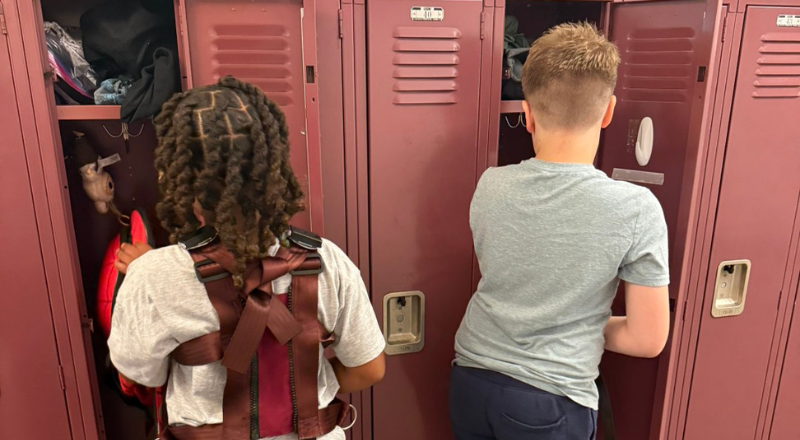
Supporting the Sensory System
During the first few weeks of school, students’ bodies may be taking in and responding to much more information throughout the day. The increased noise, movement, people, transitions, and activity of school can take time to adjust to.
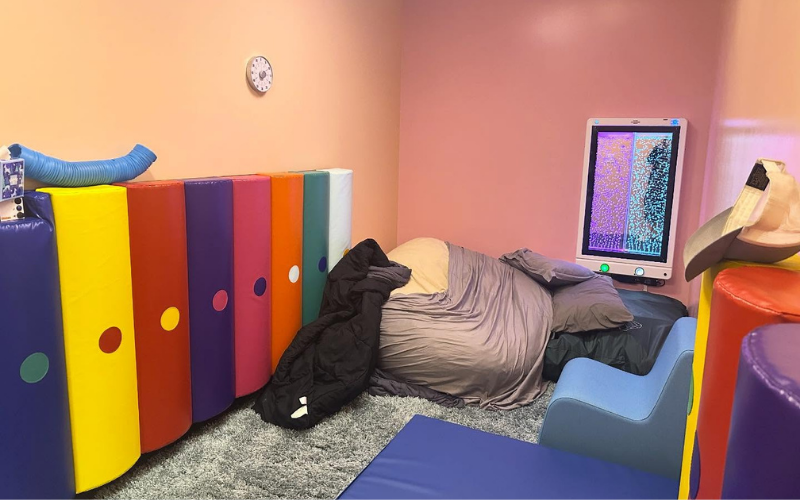
At Keshet, we intentionally build opportunities for sensory regulation throughout the school day. Depending on the student, this might include movement opportunities, access to quieter spaces, sensory tools, changes to the environment, or planned breaks within their routines. Our goal is not to eliminate sensory input, but to help students find ways to stay regulated and participate in their day. These same ideas can be helpful at home:
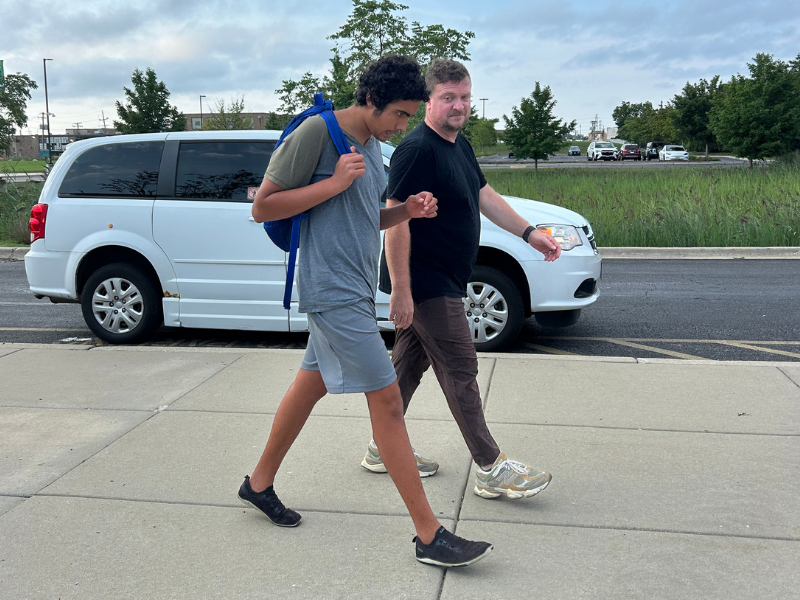
- Build movement into the day rather than waiting until a student is already overwhelmed. A short walk, stretching, or another familiar movement activity can provide a helpful reset.
- Offer quiet or lower-stimulation time when needed, especially after school. Some students benefit from time to decompress before moving into the next part of their day.
- Continue familiar sensory supports that your child already uses successfully. These may look different for every student.
Regulation may take time after a full school day, especially at the beginning of a new school year. With the right supports and opportunities to practice, students can continue developing an understanding of what helps their bodies feel ready to participate.
Supporting Executive Functioning Through Consistency
Part of the challenge of the summer-to-school transition is that students are suddenly expected to organize and remember much more information: What do I need? Where do I go? What happens next? What do I do when I get home?
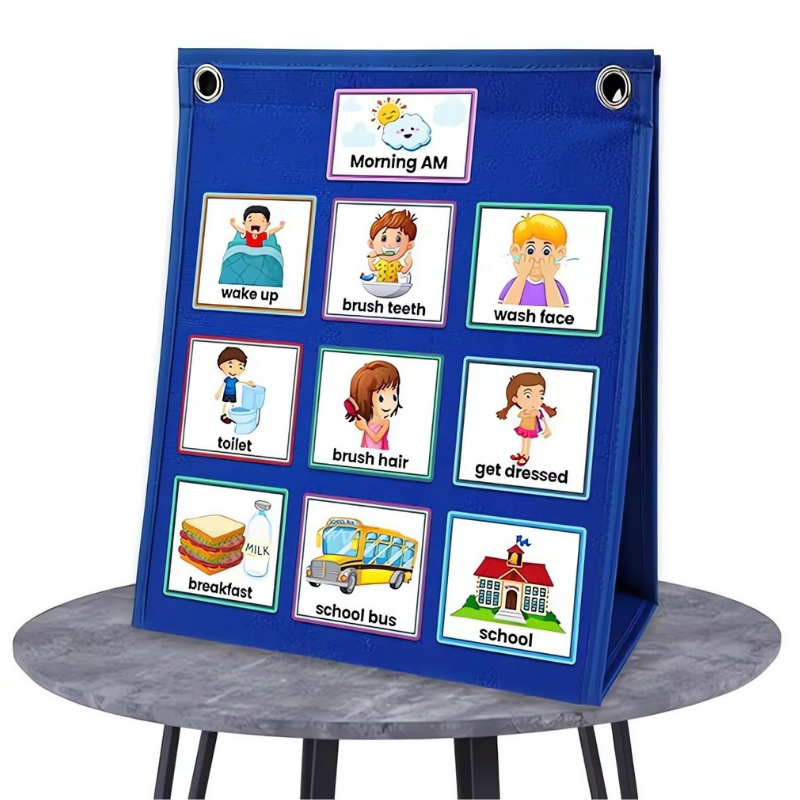
Our Keshet team supports these skills by making routines as predictable as possible and using visual supports to make information easier to access. Students may use visual schedules, checklists, first-then supports, labeled spaces, or step-by-step routines depending on their individual needs. These supports help students know what to expect and give them a reference point when they are unsure of what comes next.
Visuals and other external supports can be especially helpful during a transition, giving students a consistent reference point as they organize themselves and navigate familiar routines. These supports aren’t about taking away independence—they can be a bridge toward greater independence.
Connection, Time, and Gradually Fading Support
Students may benefit from more connection and support at the beginning of the year, even if they were previously independent with a routine or task.
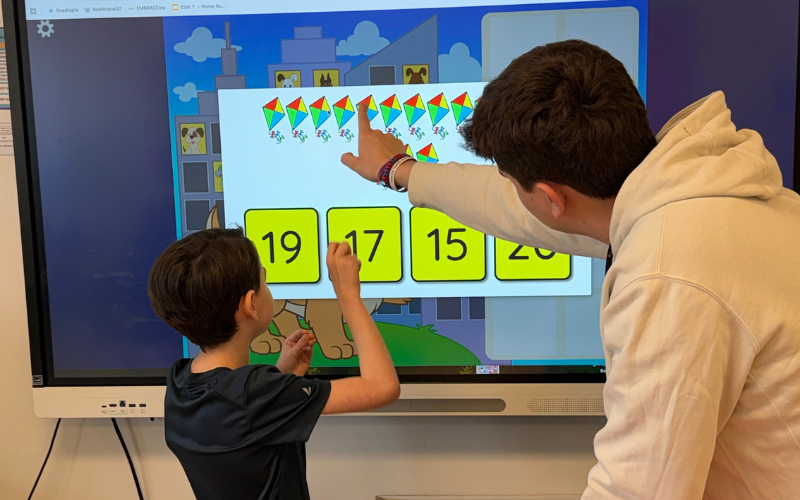
At Keshet, we also recognize that independence is not always a straight line. A student who was managing a routine independently at the end of last year may benefit from additional reminders or adult support as they settle back into the school year. Staff may temporarily increase support, then gradually fade those supports as the student becomes more comfortable and confident.
For example, a student might:
- Receive extra reminders at first, with those reminders gradually decreasing over time.
- Walk through a familiar routine with an adult before eventually completing it more independently.
- Have more frequent opportunities for regulation before gradually returning to their typical routine.
Providing extra support is not about lowering expectations. It is about giving students the tools, time, and support they need to participate successfully while they adjust.
And sometimes, the most supportive thing we can offer during a transition is time and grace.
Back to Belonging
As we support our students through the transition back to school, it is important to recognize that their experiences may look different from our own. Some students may need more time, more predictability, more sensory support, or more connection before they feel comfortable in their routines again.
Recognizing those differences does not have to create distance between us. In many ways, the things our students are returning to are the same things that make school meaningful for all of us: familiar faces, opportunities to be productive, a sense of purpose, and a place where we feel that we belong.
Just as I look forward to returning to the routine, relationships, and purpose that school brings to my own life, I hope we can give our students the time and support they need to find those things in their own way.